
UAE Neo-Colonialist Plot for Sudan
Colonialism is reasserting itself around the world under the guise of trade. The United Arab Emirates’, UAE, involvement in the Sudanese civil war is a perfect example.
The UAE started trade and diplomatic alliances with Sudan in the 1970s, but as the wealth disparity between the two countries became more marked, so has the positioning of Sudan as a client state.
Along with the trade accumulated between the countries has come aid and political influence. Just prior to the coup that removed Sudanese President Omar al-Bashir in 2019, the UAE held back the aid and fuel destined for Sudan, says the Middle East Monitor. The people’s frustration with the lack of food and amenities aided the coup. After the military government took control, aid began to flow again to the tune of 3 billion USD, Reuters notes.
By 2020, the trade between the two nations increased. Sudan exported $1.86 billion in goods to the UAE, while UAE exports to Sudan totaled $1.14 billion, according to the official news agency of the UAE via Africa News.
Later, the UAE increased its meddling by moving away from the official military government and courting an officer, Muhammad Hamdan Dagalo Musa, or Hemedti. It wasn’t long after the coup that Hemedti’s Rapid Support Forces, the RSF, gained enough power and foreign backing to rebel in 2023.
“The RSF is but one of the nodes in a network of non-state actors the UAE has curated over the past decade,” writes Dr. Andreas Krieg, author of Socio-political Order and Security in the Arab World. “The small Gulf monarchy has tapped into secessionist causes from Libya, to Yemen, Sudan and Somalia, using surrogates as Trojan horses to generate strategic depth and influence.”
“Hemeti presented an opportunity for Abu Dhabi to back another military strongman with financial entanglements in the UAE – one whose militia network had a strong separatist cause,” writes Krieg for Maghrebi.
While the RSF is largely portrayed as a bloodthirsty ragtag band, the group maintains a well-organized financial system. According to Krieg, “The Hemeti family’s network of mines, commodity traders, front companies and bank accounts all coalesce in the UAE, which has become the financial haven for the RSF’s gold business. Gold is mined in RSF-held territories, flown to Dubai, exchanged for cash, and stored in Emirati banks.”
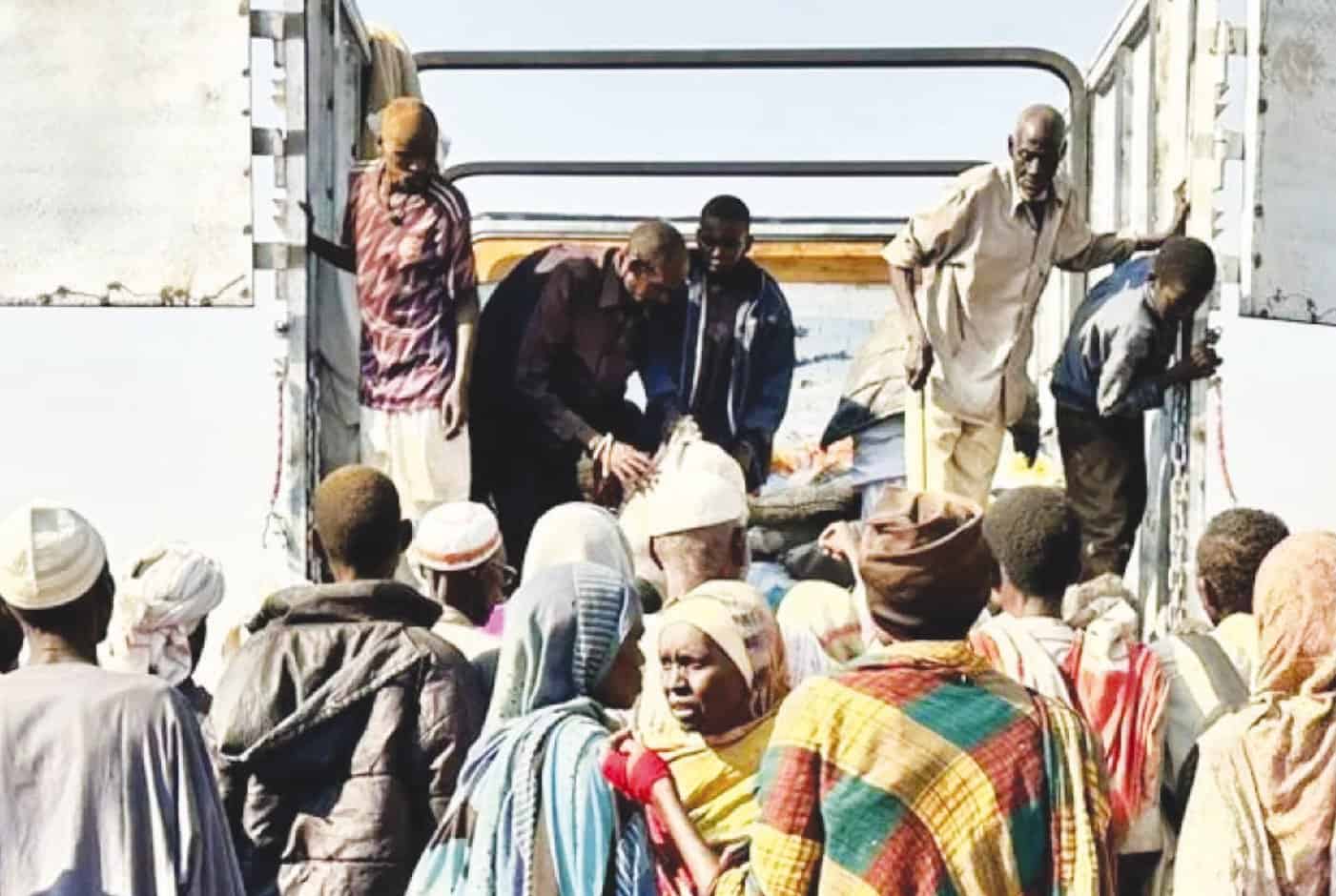
Much of the gold smuggling takes place through El Fasher. The recent genocide in El Fasher shows what the RSF will do to maintain its hold. Reporting from Khartoum, Agencia Fides reports “the RSF now controls the smuggling routes to Libya and Chad,” while the Doha Institute confirms the easy access to trade routes, the control of the el Fasher region might tip the scales of the civil war.
Government Response to the UAE
The government of Sudan has been trying to shake the UAE after that country’s involvement in the civil war was made semi-public. In 2022, the government signed a 6 billion USD deal with the UAE to develop the Abu Umama port in Sudan. At the time, Sudanese Finance Minister Gibril Ibrahim said the deal would bring “countless benefits,” according to Africa News. After the civil war with the RSF erupted in 2023, Ibrahim told The New Arab last November, “We will not give them a single centimetre of Sudanese land.”
The Sudanese government had also accused the UAE of complicity in genocide at the International Court of Justice, ICJ, although the case was thrown out.
In the latest struggle to thwart UAE influence, the Sudanese Defence Council has attempted to cut trade and diplomatic ties. Reuters reported this spring that the United Arab Emirates’ foreign ministry said “it did not recognise a decision by Sudan’s army-affiliated defence council to sever ties with the Gulf country.”
The UAE would likely only recognize such a move from Hemedti, although such a move is unlikely to come anytime soon.
Islamic Post Correspondent