
The Mediterranean Continues to be an Unnecessary Graveyard for Migrants
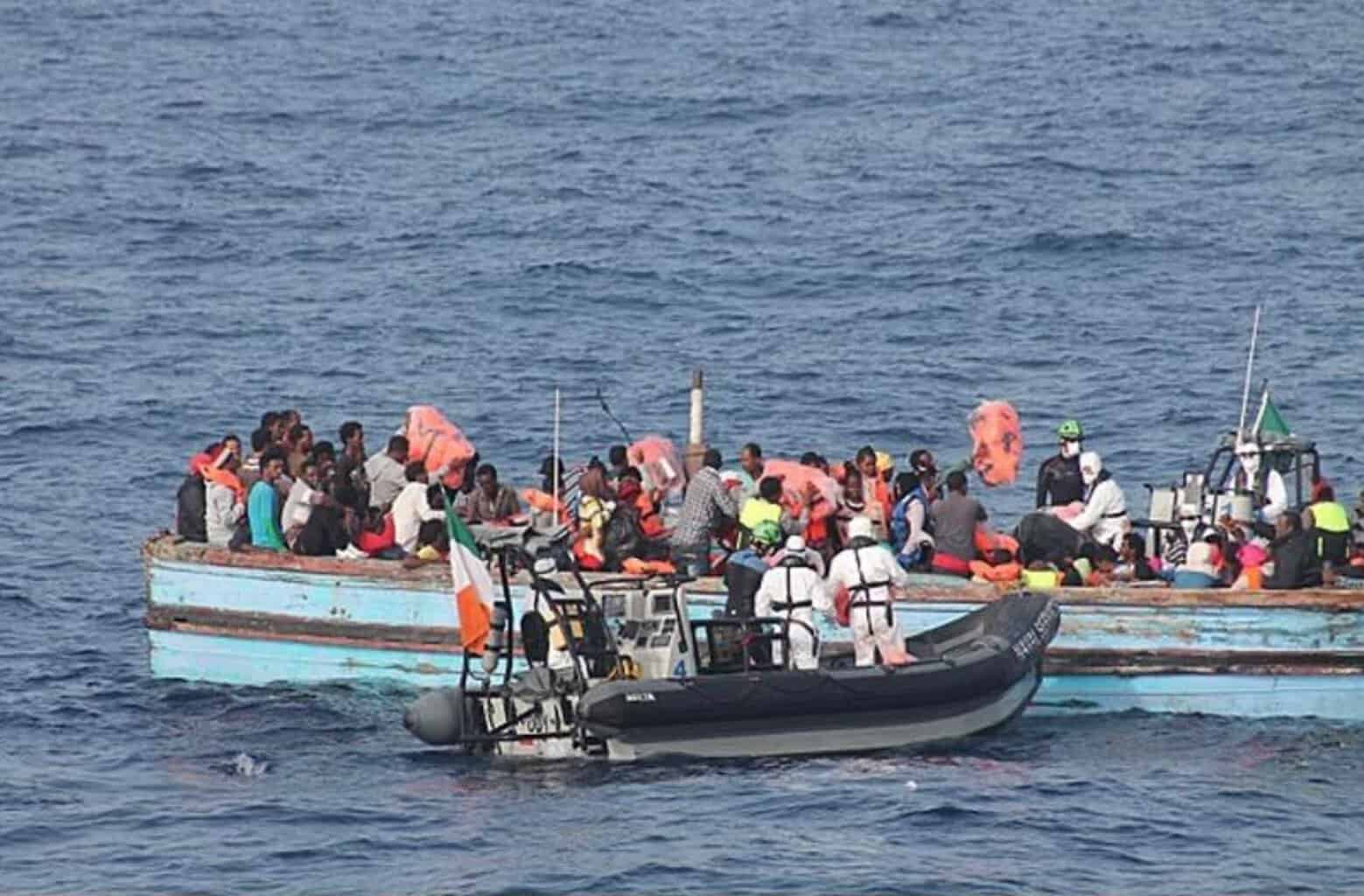
Recent days have brought renewed tragedy to the Mediterranean migration route. In the early hours of Wednesday, 1 April 2026, the Italian Coast Guard recovered 19 bodies from an inflatable boat south of Lampedusa.
Fifty-eight people survived, including five children, after a rescue operation launched from the island. Some were hospitalized, suffering from hypothermia and exposure to fuel fumes—conditions that reflect the extreme hardship endured even by those who survive. The vessel had been spotted the previous day by an Italian reconnaissance aircraft, but no nearby ships were available to assist. As rescuers navigated waves reportedly reaching seven meters, some victims are believed to have died during the difficult return to shore.
Moments like these remind us of a simple truth: every life carries a weight and dignity that cannot be measured by borders or documents. The loss of even one person at sea is not just a statistic—it is a family broken, a story cut short.
Weeks earlier, on Monday, 23 February 2026, the International Organization for Migration reported that at least 606 people had already died or gone missing in the Mediterranean since the start of the year—making it the deadliest beginning to a year in more than a decade.
Among those tragedies was a shipwreck near Crete on Saturday, 21 February, when a boat that had departed from Tobruk, Libya capsized in severe weather. Some passengers were rescued, but others perished, and many remain unaccounted for. In the aftermath of earlier winter storms, bodies believed to be from separate shipwrecks washed ashore along the coasts of Calabria and Sicily. Local residents—including students and religious leaders—were confronted with the human reality behind the statistics, prompting calls to reconsider policies that overlook those who never survive the journey.
Earlier still, on Monday, 9 February 2026, another devastating disaster was confirmed off the Libyan coast. A boat carrying migrants and refugees overturned north of Zuwara after departing from Al-Zawiya on the night of 5 February. According to the International Organization for Migration, 53 people were dead or missing.
Only two survivors, both Nigerian women, were rescued. Their testimonies revealed the profound personal loss behind the numbers: one lost her husband, the other her two young children. They received emergency medical care, but their grief reflects that of countless others who undertake the same journey out of necessity, not choice.
As of early April, at least 624 people have died or gone missing in the central Mediterranean in 2026 alone. Since 2014, the number exceeds 33,000 lives lost. These are not just numbers—they are human beings who set out with hope, often leaving behind everything familiar in search of safety, stability, or simply a chance to live with dignity.
For those who believe in accountability beyond this world, such suffering cannot be ignored. How societies respond to the vulnerable—whether with compassion or indifference—reveals more than policies ever could. It reflects values.
Despite repeated calls for stronger search-and-rescue efforts and safer migration pathways, many are still left to risk everything at sea. For those who board these fragile boats, the Mediterranean is not merely a crossing—it is a test of survival, where too many are left with no safe alternative.
Staff writer