
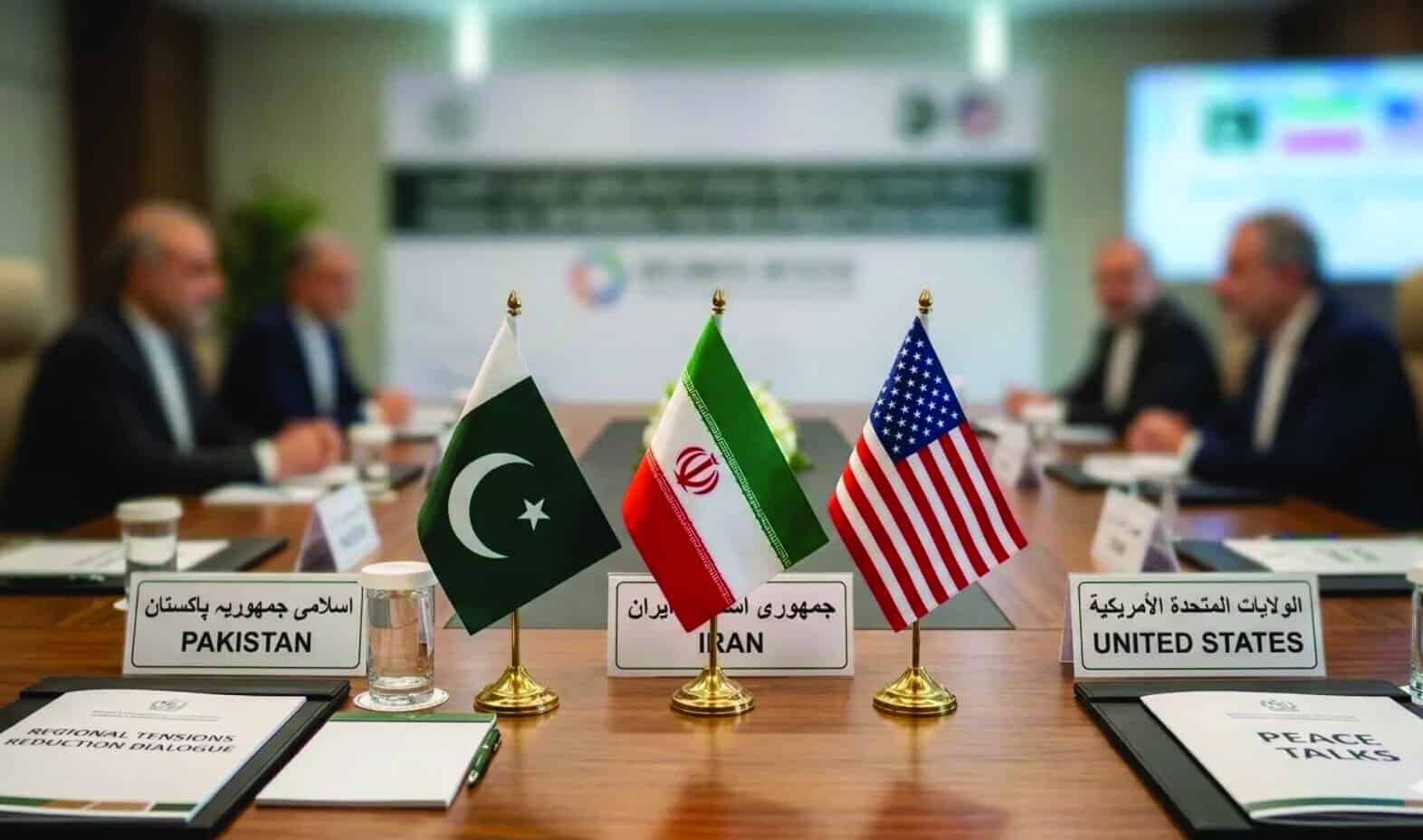
Pakistan’s Emergence as a Mediator Raises Concerns for India
By El Hajjah Anisa A. Sabur |The Islamic Post
India expresses concerns regarding Pakistan’s emergence as a pivotal mediator between the United States and Iran in the ongoing West Asia war. This development could significantly enhance Pakistan’s diplomatic standing with Washington and have far-reaching implications for the region. The underlying reasons for this apprehension are rooted in longstanding strategic considerations, rivalry, and global positioning.
Pakistan hosted talks with Saudi Arabia, Türkiye and Egypt during late March amid US – Iran war diplomacy. Iranian leadership has praised Pakistan’s diplomatic outreach, according to Reuters.
For both Pakistan and India, there exists a diplomatic power and a global relevance agenda. Acting as a mediator will enhance Pakistan’s international standing as a serious diplomatic player. According to pundits, Pakistan will demonstrate its ability to engage in dialogue with both Washington and Tehran, a feat that few countries can accomplish. This action will elevate its profile, similar to past roles such as facilitating the rapprochement between the United States and China. Consequently, Pakistan will gain greater influence in global diplomacy and recognition as a “bridge state” between adversaries. As reported by AP News and other sources, this initiative will bolster Pakistan’s global image, while simultaneously challenging India’s aspiration to be recognized as a major global power.
For India, this is uncomfortable because mediation gives Pakistan positive diplomatic visibility, creating a narrative of Pakistan as a peacemaker, and India as sidelined.
Engaging in diplomatic relations with both the United States and Iran enhances Pakistan’s diplomatic leverage, which is a concern for India. This engagement provides Pakistan with access to top-level decision-makers, granting it strategic bargaining power. India perceives Pakistan as having the potential to garner greater attention from the United States through potential military or economic concessions.
The shift from Pakistan being perceived as a security risk to being seen as a country that can mediate internationally raises concerns that Pakistan is strengthening its global relationships and potentially diminishing India’s influence in the region. India’s fear of Pakistan’s rise as a serious diplomatic player is based on Pakistan’s influence in regional issues like India’s illegal occupation of Kashmir.
India rejects mediation as a principle, adheres to a policy of strategic autonomy, avoiding third-party roles and preferring direct dialogue, distinguishing itself from Pakistan’s “go-between” approach. Indian politician Shashi Tharoor described Pakistan as a “revisionist power” and dismissed mediation as not viable, Hindustan Times reported.
India has also repeatedly told the U.S. it will never accept mediation in disputes, especially with Pakistan, as published in Anadolu Ajansi in June 2025.
If Pakistan gains global legitimacy as a mediator, it could set a precedent for mediation in South Asia, especially for Kashmir, which India strongly rejects, as previously noted by the Arms Control Association.
Strategic competition: Who leads the Global South?
India has been positioning itself as a leading figure in the Global South, emerging as a rising diplomatic power. This trajectory has been facilitated by its membership in prominent organizations such as the G20 and BRICS. However, if Pakistan were to assume a pivotal role as a mediator in a significant global conflict, India would risk being overshadowed diplomatically by its primary regional rival. This scenario would create a perception that Pakistan is actively engaged in crisis management, while India’s decision to reject mediation as a primary means of conflict resolution would be interpreted as a stance of disengagement.
The historical rivalry between India and Pakistan intensifies all aspects of their relationship. These tensions are deeply rooted in the illegal occupation of Kashmir, as well as ongoing conflicts and terrorism accusations, as noted by the Arms Control Association. Consequently, even developments, such as international mediation, become a prestige competition and a geopolitical signal of influence.
Based on the aforementioned sources, India expresses concerns regarding Pakistan’s role as a mediator in the ongoing US-Iran conflict. Pakistan envisions this role as a means of gaining legitimacy, influence, and global recognition. Conversely, India risks being sidelined, losing its narrative dominance, and witnessing a weakening of its foreign policy principles.