
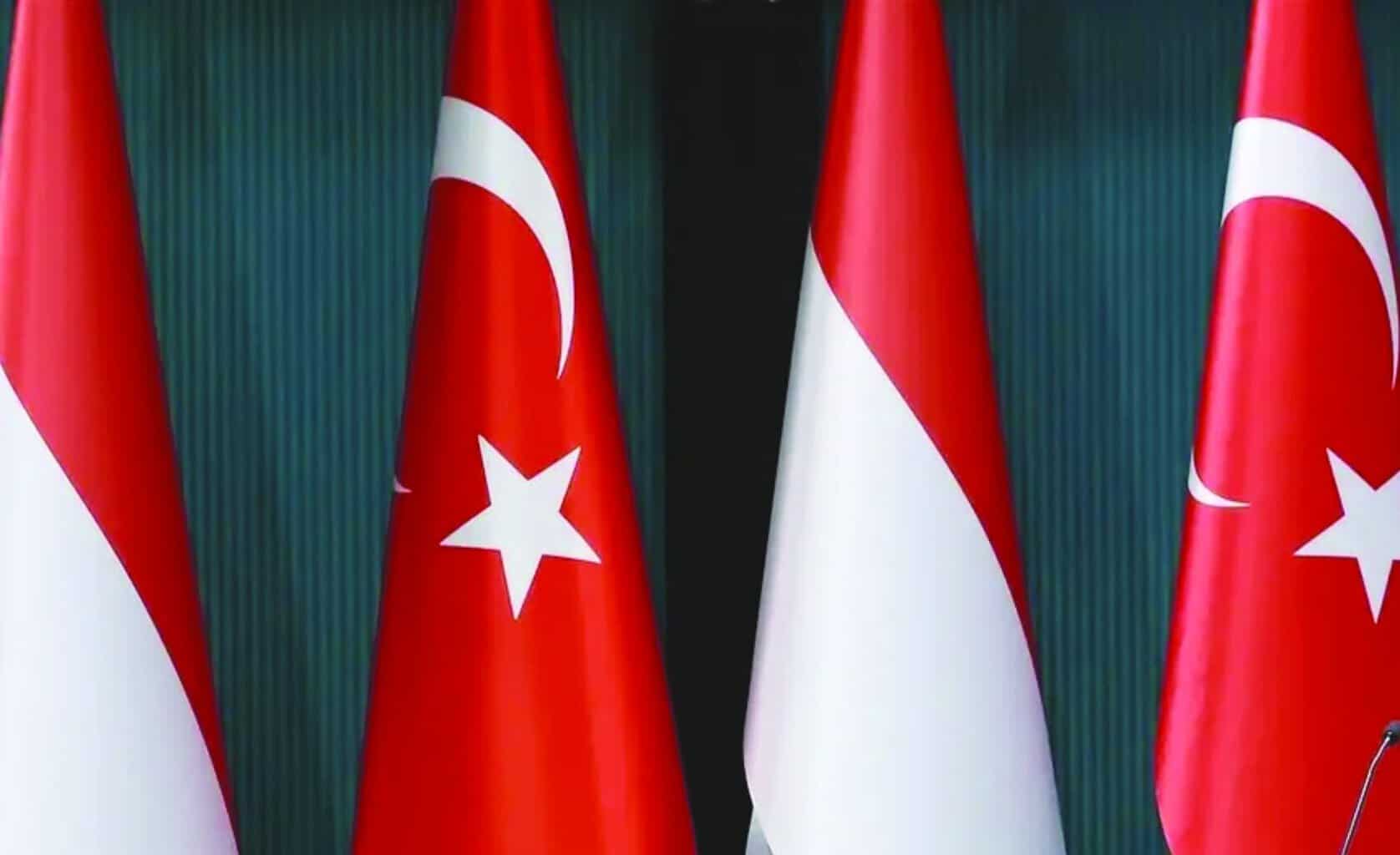
Muslim-Majority Soft Power Connection
Defense cooperation agreements and a growing strategic partnership
By The Islamic Post Staff
Türkiye and Indonesia have forged growing security and defense industry agreements. Unlike NATO’s Article 5, “One for All,” which establishes a formal mutual defense pact, these agreements do not constitute a single treaty. NATO’s Article 5 declares that an attack against one or more members is considered an attack against all. Their defense industry cooperation framework agreement, dating back to approximately 2014-2015, facilitates the establishment of joint projects.
Global security and military project management sources confirm there is a formal bilateral defense cooperation framework. This framework does not include a clause of mutual defense – no obligation to defend each other in conflict.
The security agreement, derived from various government and non-governmental sources, establishes a multifaceted relationship encompassing government-level defense industry cooperation agreements, joint weapons development and production, technology transfer between the two nations, and coordination with relevant ministries of defense.
The Türkiye and Indonesia defense cooperation agreement is a reflection of strategy, economics, and geopolitical agendas.
Both nations have faced limitations from Western arms suppliers. The Council on Foreign Relations and the Congressional Research Service have identified Türkiye’s strained relationship with the United States, resulting in sanctions and restrictions affecting defense procurement. Human Rights Watch has emphasized Indonesia’s previous arms embargoes by the United States and Europe, particularly following the East Timor unrest. It is mutually beneficial for both countries to decrease their dependence on the West. Sources have interpreted this as a collaborative effort between the two nations to diversify their supply chains and circumvent political constraints.
Indonesia seeks technology transfer and local production, while Türkiye promotes co-development rather than solely selling weapons.
Stockholm International Peace Research Institute, SIPRI, notes Indonesia’s policy of requiring technology transfer in arms deals to strengthen its domestic industry.
Janes, provider of open-source defense and security intelligence, reports that the Kaplan/Harimau tank program was created under an intergovernmental agreement aimed at joint development and production, not just procurement.
FNSS Savunma Sistemleri, a leading Turkish defense manufacturer states its Indonesia projects are part of “defense industry cooperation agreements” enabling joint design, production, and know-how sharing.
The latter sources interpret both countries benefit industrially—Indonesia gains capability, Türkiye expands its defense sector globally.
The two-nation relationship is an integral component of a comprehensive strategic partnership and geopolitical alignment framework. Both nations recognize each other as cognizant of shared aspirations, mid-tier powers aspiring to expand their global influence and impact.
Official statements from the Ministry of Foreign Affairs of the Republic of Indonesia describe Türkiye as a strategic partner with cooperation in defense, trade, and diplomacy. Anadolu Agency, the state-run, official news agency of Türkiye, reports frequent high-level visits emphasizing shared interests in defense and security cooperation.
Both entities share political affinities and collaborate through international forums. They are both members of the G20 and the Organization of Islamic Cooperation. Policy analyses conducted by think tanks such as the Brookings Institution underscore the significance of these forums in fostering political trust and alignment, thereby facilitating a more natural alignment of interests.
Market and cost considerations drive defense cooperation. SIPRI arms transfer data shows Türkiye is an emerging defense exporter seeking new markets.
Janes reports that joint production agreements, for example tanks and APCs, allow cost-sharing and export potential. The source’s interpretation is that Türkiye gains export access while Indonesia reduces cost and builds the industry.
In contrast, cooperative frameworks facilitate cooperation without alliance commitments, as there are no mutual defense treaties. Janes and FNSS documentation describe project-based agreements rather than alliance structures. Cooperation enables both nations to construct their security and defense architectures without the obligation to intervene in each other’s conflicts.