
Europe Battles Extreme Heat and Widespread Wildfires as Another Heatwave Builds
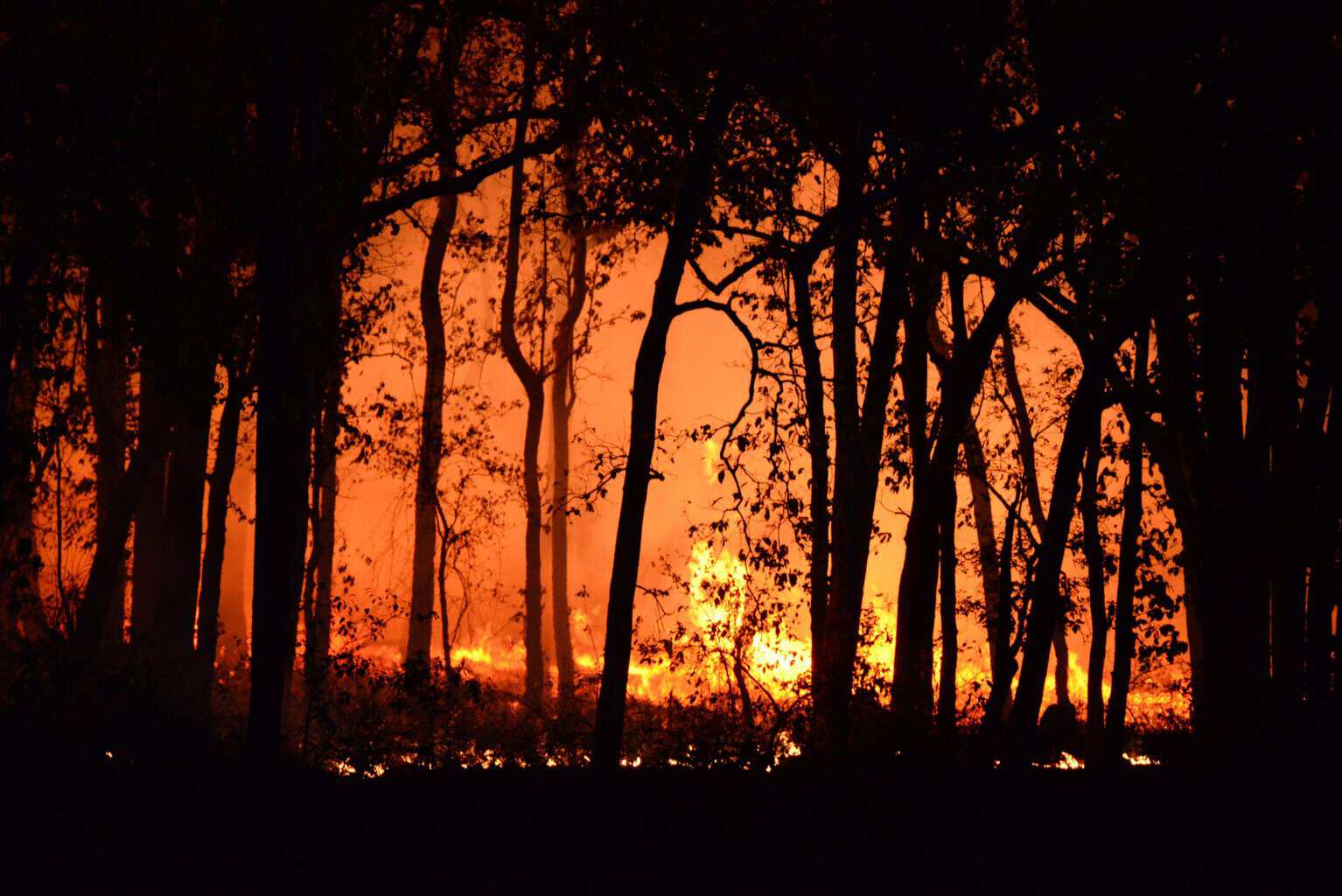
Photo credit: https://www.pexels.com/photo/photo-of-burning-forest-4621457/
Beginning in late July and early August, wildfires have spread across several parts of Europe, forcing large-scale evacuations, destroying homes and stretching emergency services across France, Spain and Greece. The latest wave of major fires exacerbated the dangerous issue, with dry conditions, strong winds and extreme temperatures helping flames spread rapidly.
France has experienced some of the most destructive fires. In the southwest, a massive wildfire near Bordeaux spread through the Gironde region, prompting authorities to evacuate communities and deploy large numbers of firefighters and military personnel. Heavy smoke created additional health concerns, leading officials to distribute approximately 1.5 million protective face masks.
The Gironde fire destroyed roughly 140 homes and threatened additional communities as crews worked to contain the flames. Authorities in Bordeaux prepared a venue that could shelter thousands of evacuees if necessary. The scale of the fire demonstrated how quickly wildfires can overwhelm populated areas when weather and ground conditions are favorable for rapid fire growth.
Spain has also faced widespread wildfire activity. Tens of thousands of residents were forced to leave their homes as fires moved through several regions. In central Spain alone, approximately 70,000 people were evacuated during one particularly dangerous period. Additional fires continued to emerge in other parts of the country, putting further pressure on emergency crews and local governments.
Together, wildfire emergencies in France and Spain contributed to the displacement of more than a quarter-million people across southern Europe, according to reporting by the Associated Press.
Greece has faced similar conditions. Multiple fires broke out across the country as powerful winds pushed flames toward residential areas. Near Porto Germeno, northwest of Athens, firefighters encountered rapidly advancing flames and heavy smoke while authorities ordered residents to evacuate.
In the coastal community of Agios Vasileios, more than 200 people were evacuated by sea as fires threatened the area. Strong winds exceeding 70 kilometers per hour made firefighting operations especially difficult by rapidly changing the direction of the flames and allowing fires to spread across dry vegetation.
Even areas where firefighters had initially gained control remained at risk of renewed outbreaks. In France’s southeastern Var department, a wildfire believed to have been contained flared up again, forcing nearly 2,500 people to evacuate. Approximately 1,800 hectares of land were burned before crews were able to stabilize the situation.
Spain also continued reporting new wildfire hot spots shortly after authorities ended a national wildfire emergency, showing how quickly conditions could change.
The fires are part of an increasingly severe wildfire season across Europe. Prolonged dry weather and high temperatures have left forests and vegetation highly combustible, while strong winds have allowed fires to expand rapidly.
As emergency crews continue battling active fires and monitoring areas vulnerable to new outbreaks, communities across southern Europe remain on alert. The widespread evacuations, property destruction and repeated flare-ups show that Europe’s wildfire emergency is not limited to a single country or event but has become a major regional crisis.
IP Correspondent