
Sharia Is Not The Problem. It’s The Answer.
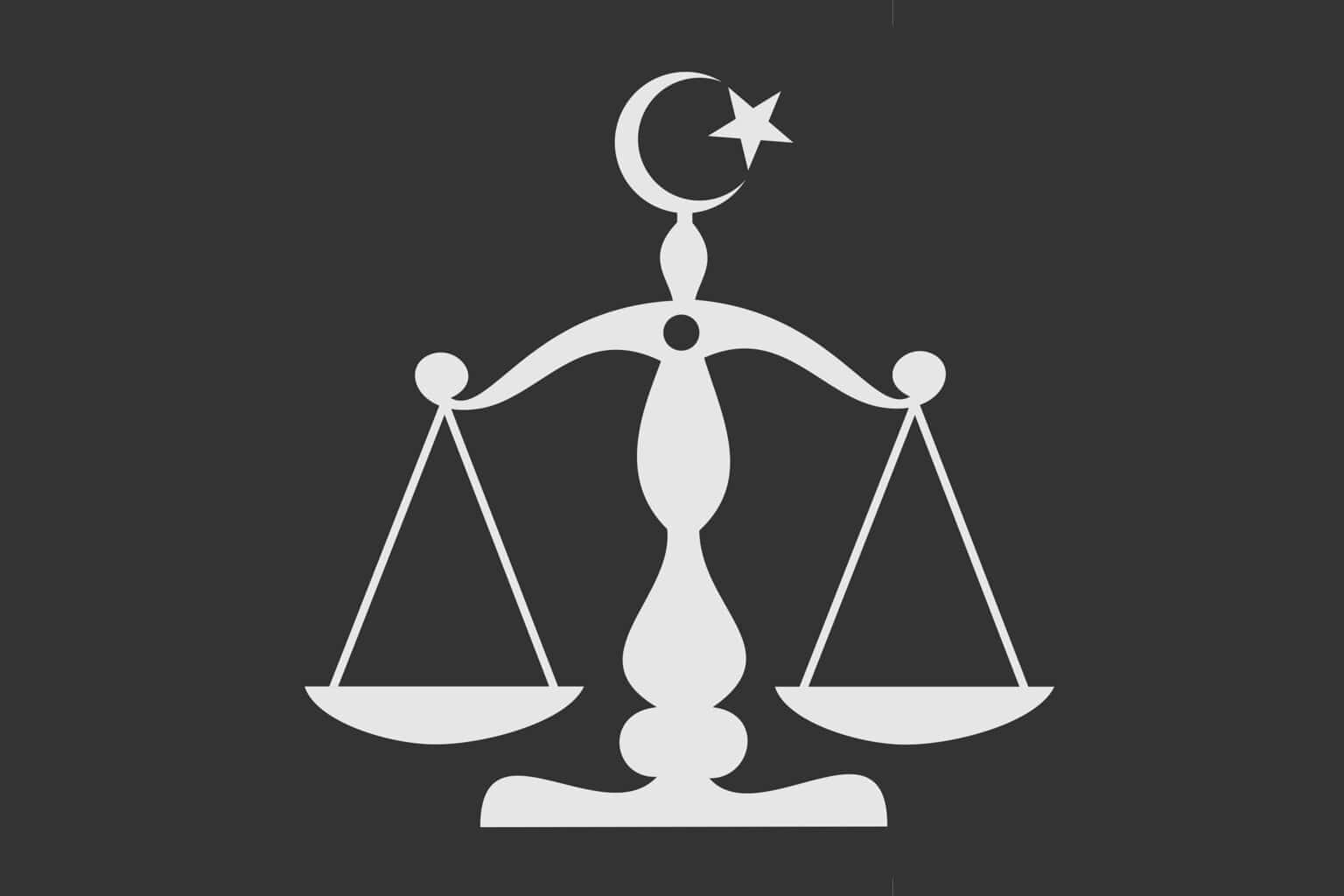
Photo Source: Theosthinktank.co
In today’s political climate where fearmongering and xenophobia are commonplace, where terms like DEI and Woke are often used as slurs, one term has increasingly been employed to foment fear perhaps more than any other: Sharia. In certain circles, few words evoke as much unearned anxiety, political calculation, and sensationalized framing in the media as Sharia. More and more, those seeking to capitalize on the general population’s anxieties, from media personalities to politicians light on useful ideas, have used the term to exploit a lack of understanding among their audiences.
They have framed Sharia as a threat to America, a rigid, punitive, and archaic legal system at odds with human rights and democratic values. These narratives are, in fact, grave misrepresentations of a system of guidelines that promotes personal and collective thriving, a system that fosters strong bonds between families and neighbors, a system that promotes God-consciousness, spiritual balance, and upstanding citizenship.
Despite politically expedient efforts at subversion, the truth is that Sharia is Divine guidance to help humanity reach its potential. It is the uncorruptible path to peace within oneself, within one’s community and society, and peace with one’s environment. It is the spiritual way to understanding the self and one’s Creator. It is not a political problem to be solved, but a comprehensive answer for anyone searching for moral clarity, social justice, and a return to a life of balance and devotion.
In Sharia, everyone and everything has rights; from parents and children to neighbors and coworkers, from those well known to new acquaintances. Even passersby and those who accompany us on a journey are respected. The Islamic system guides us to the most harmonious path in any circumstance.
Qaasim Wasi Qadiri
Linguistically, Sharia is an Arabic term that literally means “the correct path” or “the way to water”. In the applied context, it is the system of Divine purpose, beliefs, principles, and actions outlined in the Quran and the Sunnah (prophetic traditions).
The Islamic understanding of law supports living cohesively within one’s society and promotes internal and external harmony. While law (Fiqh) governs how people interact within their societies and environments, the broader Sharia reminds adherents that the Almighty Creator is ever aware of not only what we do, but also our intentions and motivations. He judges us by our intentions, and is All Forgiving, Most Merciful.
Is this not a perfect framework on which to base one’s morality?
When we look past the political noise, we see how Sharia functions practically to offer solutions to the crises of our time. It educates us on how to approach domestic life, manage wealth, foster a cohesive society, support good governance, sustain our physical and mental health, and maintain a strong spiritual bond with our Beloved Almighty Creator.
In an era defined by extreme economic inequality, corporate exploitation, legal manipulation, social alienation, and political apathy, this moral approach offers a vital blueprint for structural balance. Sharia’s strict prohibition of forms of exploitation such as interest, paired with the institutional mandate of wealth redistribution through Zakat, offers a direct answer to modern economic injustice.
It provides a timeless ethical compass that empowers believers to navigate contemporary issues as they arise, and contains measures to recognize human diversity in its application.
As a nation, we should recognize that fearmongering narratives eventually wear thin, and the search for authenticity and justice is inevitable. What most desire, regardless of religious identity, are peace, health, and a wholesome, productive life. We should move past the sensationalized distortions of one another and embrace a framework that prioritizes human flourishing over political division.
By rejecting manufactured fear and embracing good faith dialogue and understanding, we will see Sharia for what it truly is. It is guidance toward an existence of selflessness, decency, honesty, and universal justice. It is not a path that restricts human progress, but rather one that promotes it.
Qaasim Wasi Qadiri